Raising backyard chickens can be incredibly rewarding. Not only do they provide fresh eggs, but they also have unique personalities and can be a fun addition to your homestead or backyard. While chickens are relatively low-maintenance animals, they still require proper care to stay healthy and productive.
Provide Safe and Comfortable Housing
One of the most important aspects of chicken ownership is providing appropriate shelter. A well-designed coop should protect your flock from predators, strong winds, rain, extreme heat, and cold temperatures.
Make sure your chickens have plenty of space inside the coop to roost comfortably at night. Overcrowding can lead to stress, illness, and unwanted behaviors like pecking.
Good ventilation is also essential. Proper airflow helps reduce moisture buildup and keeps the coop healthier year-round.
Include an Outdoor Run and Enrichment
Chickens thrive when they have access to an outdoor run where they can scratch, peck, and explore. A secure run allows them to enjoy fresh air while staying protected from predators.
Adding enrichment helps keep your flock active and prevents boredom. Some simple enrichment ideas include:
-
Perches at different heights
-
Dust bathing areas
-
Hanging treats or vegetables
-
Logs or stumps for climbing
-
Areas to forage and scratch
Happy chickens are often healthier and less likely to develop behavioral problems.
Provide Fresh Food and Water Daily
Chickens need access to clean, fresh water at all times. Waterers should be checked daily, especially during hot weather when chickens drink more frequently.
A quality layer feed provides the nutrients needed for egg production. You can also offer treats and kitchen scraps in moderation, but feed should remain the primary source of nutrition.
If your hens are laying eggs, offering calcium sources such as oyster shells can help support strong eggshells.
Collect Eggs Regularly
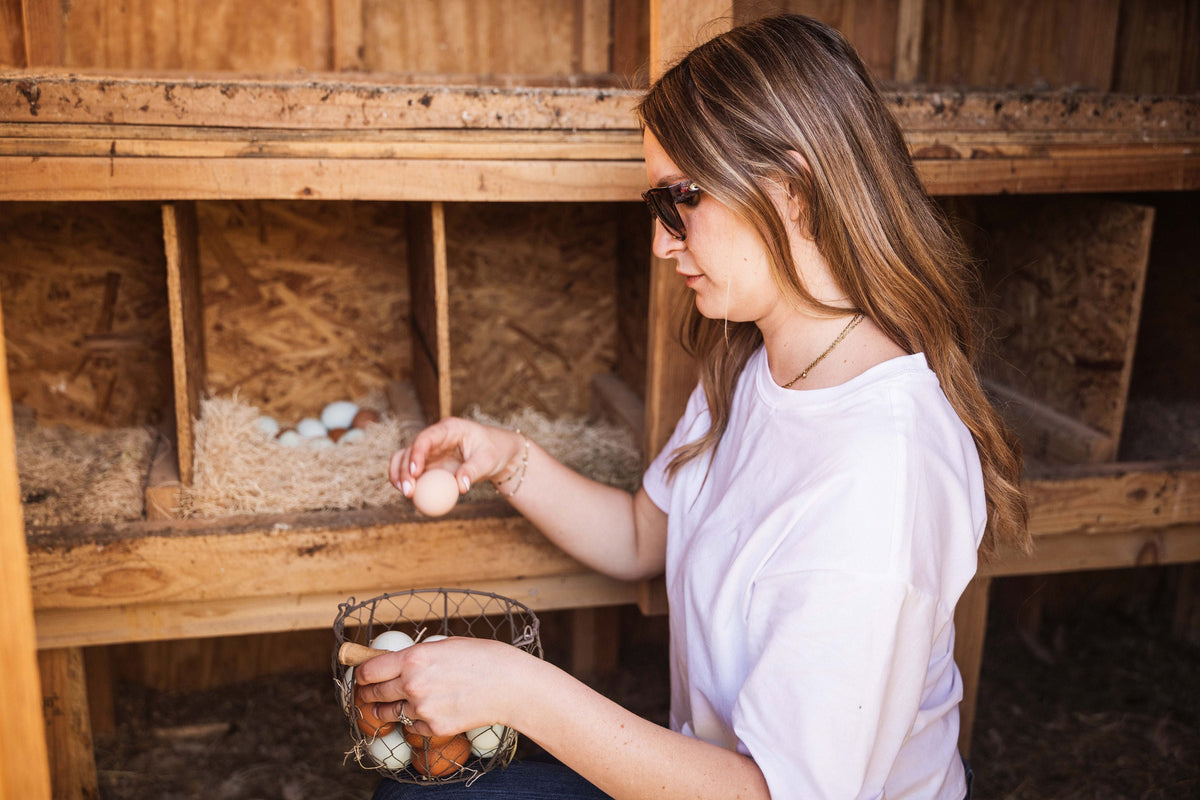
Eggs should be gathered every few days, and daily collection is even better when possible. Regular collection helps keep eggs clean and reduces the likelihood of cracked eggs or hens developing the habit of eating them.
Frequent egg gathering also helps ensure you're enjoying the freshest eggs possible.
Keep the Coop Clean
Routine coop maintenance is essential for flock health. Remove droppings regularly, replace bedding as needed, and change nesting box pads when they become soiled.
A clean coop helps prevent odors, reduces pests, and lowers the risk of disease.
Many chicken owners find that a few minutes of daily maintenance prevents larger cleaning projects later.
Watch for Signs of Illness
Healthy chickens are active, alert, and interested in food. Spend a few minutes observing your flock each day so you can quickly notice changes in behavior.
Potential warning signs include:
-
Lethargy
-
Loss of appetite
-
Respiratory issues
-
Changes in egg production
-
Limping or injuries
Early detection often makes health issues easier to manage.
Protect Against Predators
Predators are one of the biggest challenges for chicken owners. Raccoons, foxes, coyotes, hawks, snakes, and even neighborhood dogs can pose a threat.
Secure latches, sturdy fencing, and predator-proof coop construction are critical. Always lock chickens safely inside their coop at night.
Understand Seasonal Changes
Egg production often changes throughout the year. Many hens lay fewer eggs during winter due to shorter daylight hours. Molting seasons can also temporarily reduce egg production as chickens replace old feathers.
Understanding these natural cycles can help set realistic expectations.
Final Thoughts
Owning chickens is a rewarding experience, but it comes with responsibilities. With proper care, your chickens can provide fresh eggs, entertainment, and companionship for years to come.